
MRH Cardiopulmonary Rehab: Life-changing healthcare in our backyard
Mike Warne’s heart needed help.
The Craig resident couldn’t walk beyond the front door of the grocery store to pick up his medications without running out of strength. After a series of illnesses and injuries had contributed to Mike’s fitness declining, a critical heart failure in spring of 2025 revealed his heart was pumping at only a quarter capacity.
Mike’s doctors kept him alive, but he discovered life was becoming almost impossible.
“I was trying to rebuild my heart,” Mike said. “I was still very weak.”
That’s when Mike learned about cardiopulmonary rehab. His doctor recommended it, and Memorial Regional Health had recently opened the program in Craig. It turned out to be perfect timing for Mike to get healthy again.
“The folks in Craig explained their program to me and I started a three times-per-week, 36-session cardiopulmonary rehab,” Mike said. “They took me at one of my weakest points in my life and convinced me that I could and would get better.”
And Mike did get better.
“When he first came to see us, he had to stop during a six-minute walk,” said Anessa Kopsa, manager of the cardiopulmonary rehab center at MRH.
The six-minute walk is one of several measuring sticks the MRH rehab center uses to determine patient fitness and progress. Based on research, a person of a certain age and weight should be able to walk a certain distance, Kopsa explained, and if they can’t when they come to MRH, the rehab program works to change that.
They accomplish that without medication or surgery, though of course sometimes those steps are also necessary. The rehab center’s role, however, is strengthening the system that powers the body by helping it strengthen itself. This is primarily done through safe, monitored, regulated exercise, and through coaching and education around nutritional choices and other ways our lifestyle impacts our body’s ability to operate.
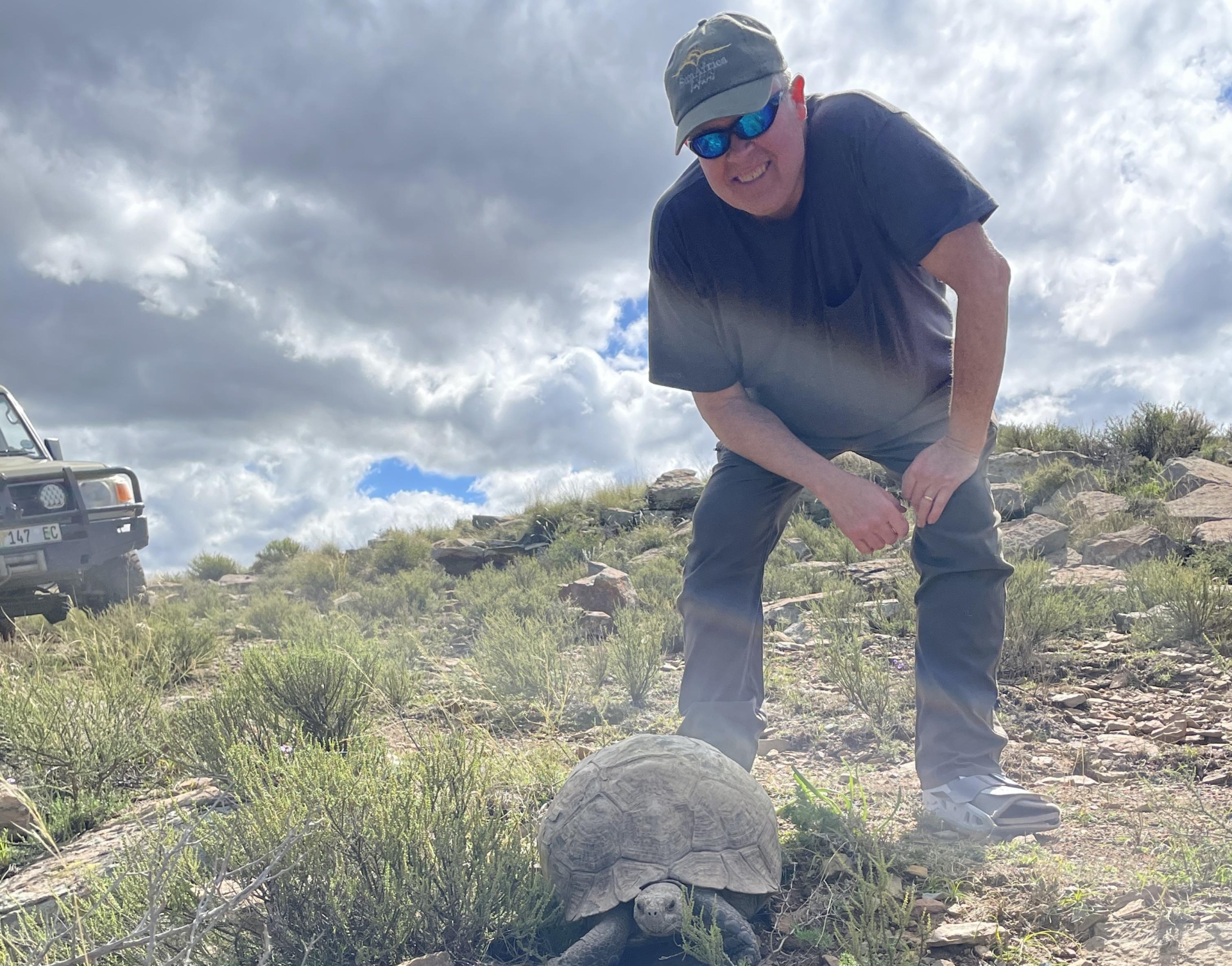
“This was a wake-up call for Mike, and he took our work together very seriously,” Kopsa said. “He had big goals, and a couple weeks before he finished our program, he and his wife actually took a trip to Yellowstone. He was able to do a two-mile hike without stopping. Incredible growth after not being able to make it through the doors at Walmart.”
Kopsa explains that exercise after a heart event, or when your heart has become very weak, can be daunting and even scary for many people. But it’s the most effective way to get back to the life they want to be leading. So the cardiopulmonary rehab center removes barriers for patients by ensuring safe exercise through monitoring and incremental progress, all while providing patients with tools to continue their health journeys at home.
“A lot of what we provide is peace of mind,” Kopsa said. “We monitor oxygen, hook them up to a heart monitor to monitor heart rhythm and heart rate. The goal is only to exercise them so the heart rate goes 20-30 beats per minute over their resting. That way, it doesn’t overexert the heart after a cardiac event.”
These steps not only guide and encourage patients, they take the fear out of the equation. If a patient knows he or she isn’t going to get hurt exercising, it changes the game. That’s when the real work happens. That’s when the real healing happens.
It was important to MRH to make this possible for local people. Needing to travel long distances to rehab programs, especially for patients like Mike, is difficult and often discouraging. MRH believed it’s important enough to ensure our neighbors deserved to have those hurdles removed for this critical service to support their long-term wellbeing.
For Mike, like many of Kopsa’s patients, the program was life-changing.
“My heart is pumping at a normal rate now,” he said. “I’ve been taken off two of the medications I was put on after my heart failure. Another medication has been cut in half. I’m able to take a more active part in family functions now.”