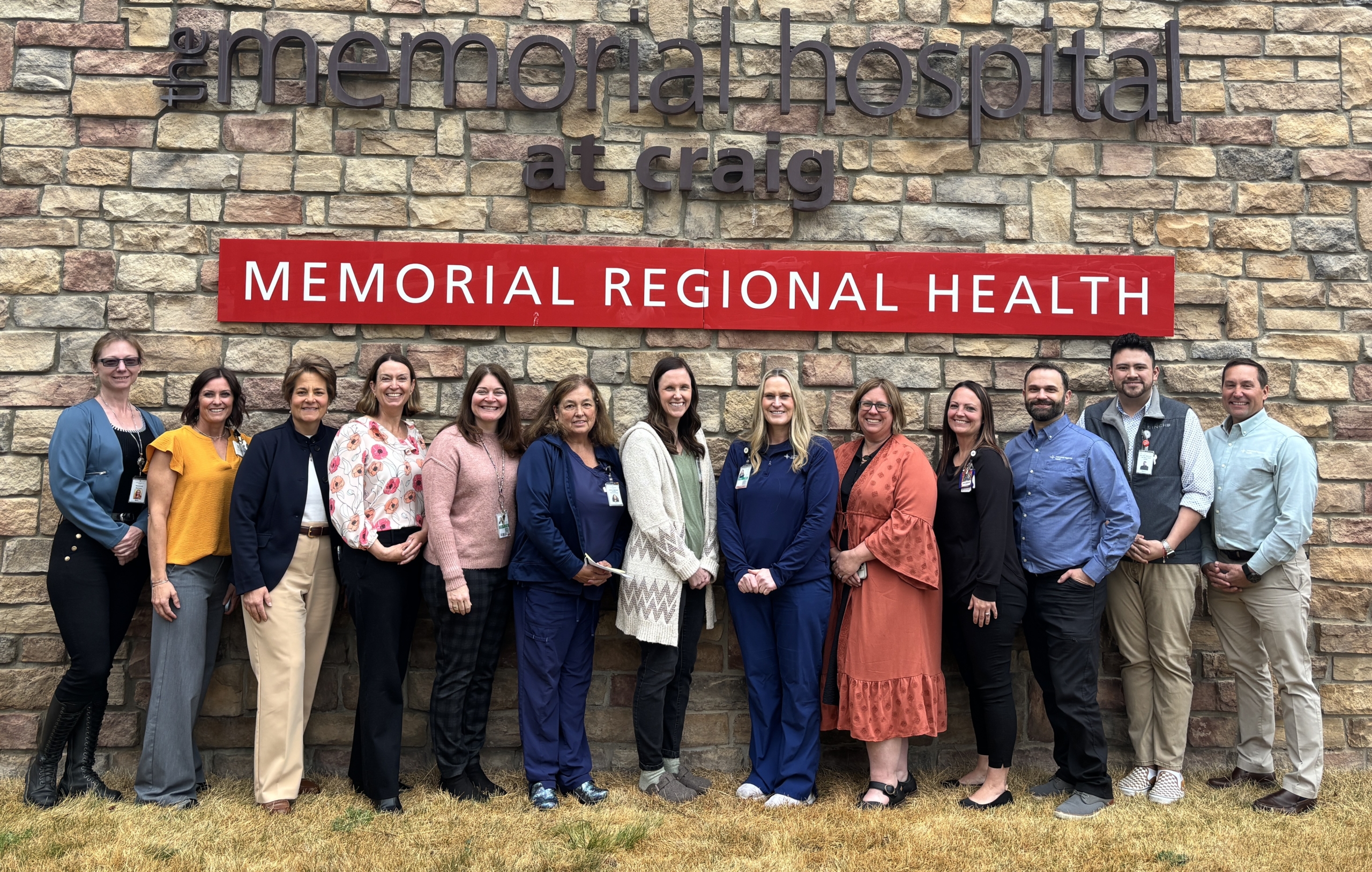


“We Get Patients the Care They Need”:
Memorial Regional Is Your Community Hospital
Memorial Regional Is Your Community Hospital
We may live in a small town, but Memorial Regional Health is a busy place. More than 500 people visit our Emergency Room each month, for instance.
While they’re under our care, our patients receive all kinds of necessary diagnostics and treatment, ranging from doctor visits for a sore throat to physical therapy to MRI scans to orthopedic surgery—and so much more.
We’re your community hospital. It’s a responsibility we take very seriously.
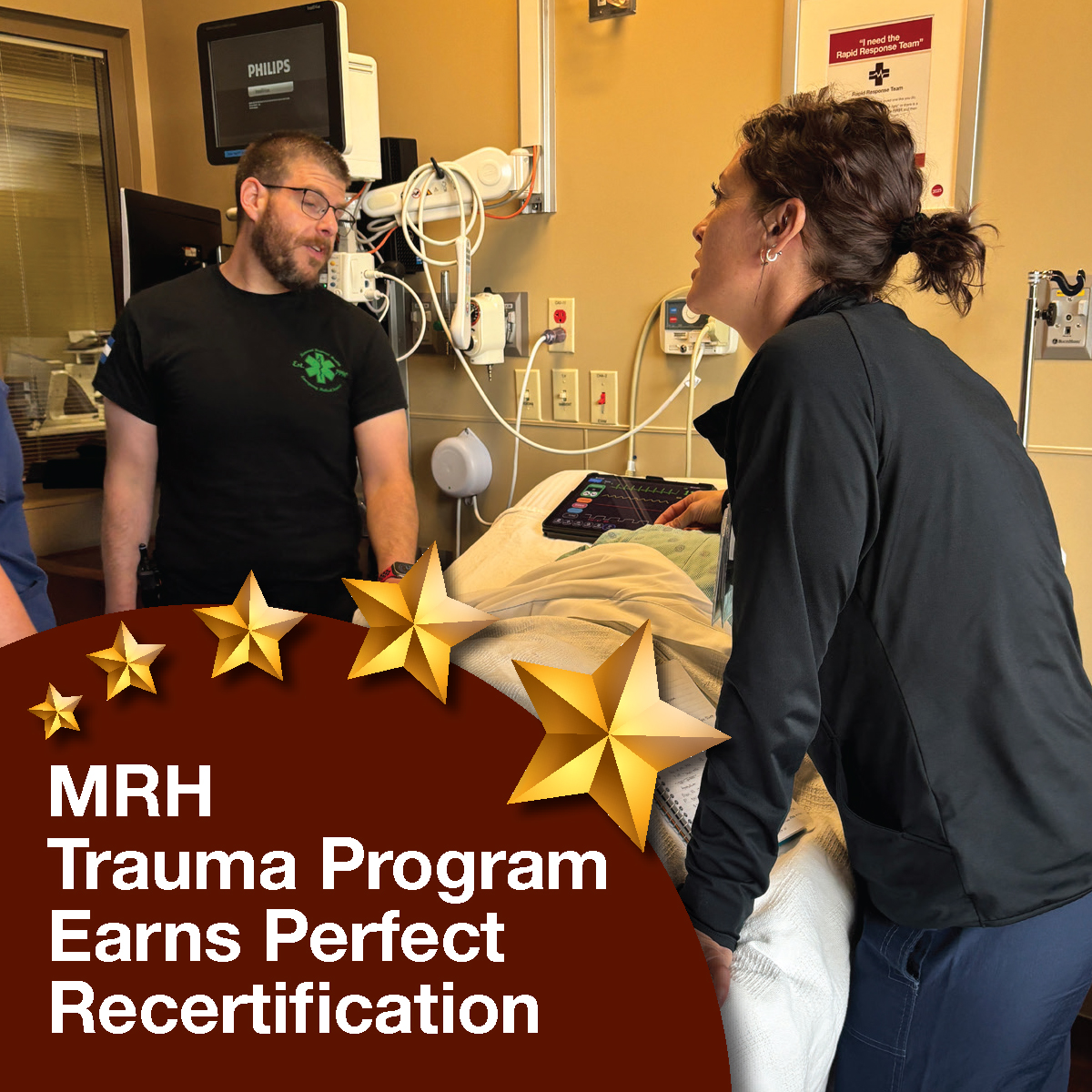
“For a community of this size, we’re fortunate to have the services we do,” said Sarah Moore, Emergency Department Manager and Trauma Program Manager. “We have general surgery and anesthesia care available 24/7. We have hospitalist physicians and nurses taking care of our hospitalized patients around-the-clock. We have board-certified emergency medicine physicians, trained emergency room nurses and advanced life support EMS crews in-house 24 hours a day. We have a family medicine clinic with six primary-care providers along with full-service laboratory, respiratory, imaging, pharmacy and infusions departments.”
In addition to essential basic care, MRH offers a variety of specialty care. Some specialists, like cardiologists and oncologists, visit MRH each month to hold select clinic hours. Others, like a line-up of skilled orthopedic surgeons, perform surgeries here regularly. In addition, we have active programs with specialists in dermatology, pain management, and more.
“Our providers and staff are excellent, and we do many things very well,” said Sheli Steele, Marketing & Community Relations Director. “It’s our privilege to provide not only essential care but also a number of specialty services, and we’re always working to expand what we can accommodate here.”
What about the Helicopters?
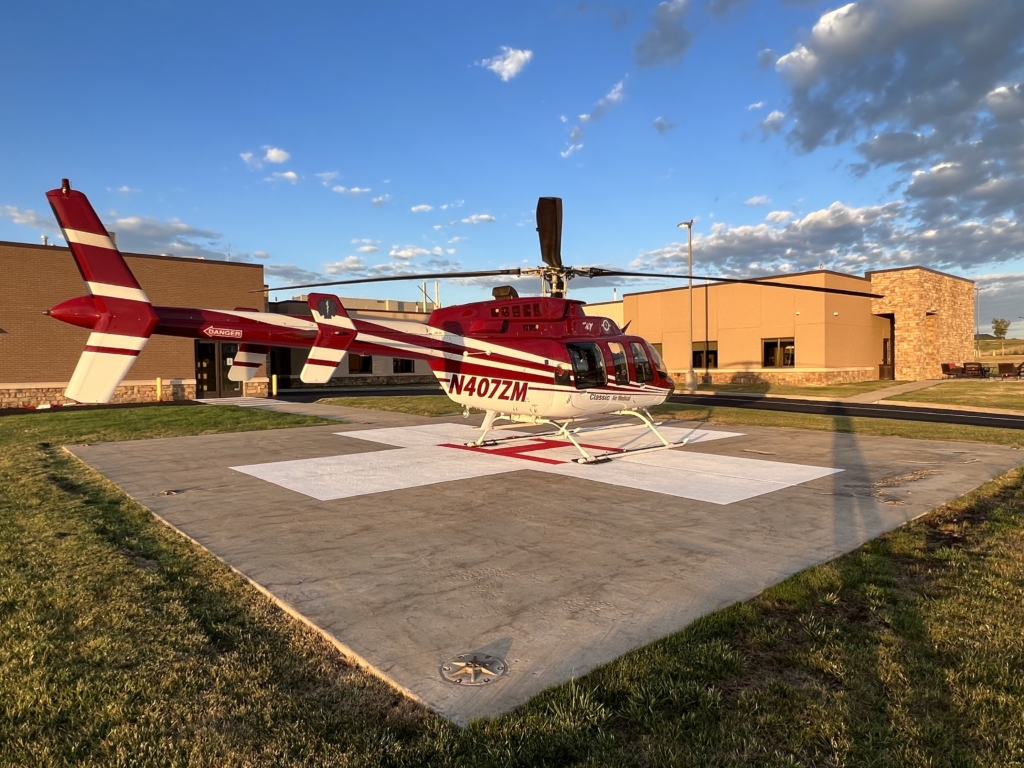
If you live within a mile or two of Memorial Regional Health, you’ve probably noticed medical helicopters flying in and out on a regular basis. Does this mean we are sending patients to other hospitals for the care they need?
“All rural hospitals transfer patients out sometimes,” Moore said. “We have protocols in place for different types
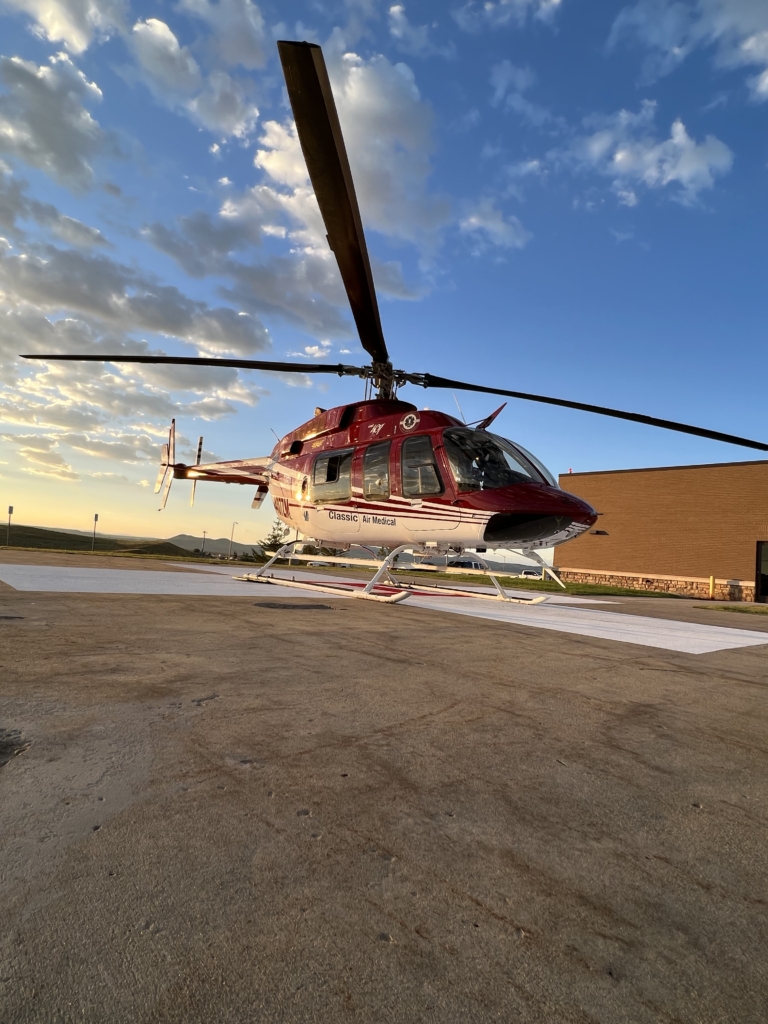 and degrees of illnesses and injuries. Sometimes this means transferring patients to a larger facility to receive the higher level of care they need. We always want to make sure patients get the best care possible so they can have the best outcome possible.”
Acute cardiac and stroke care is one such example. Some of these patients may seem relatively stable, but dependent on the severity of the problem, it’s important for them to be cared for in a facility with specialists and the ability to complete procedures that may potentially be needed. This may include cardiologists, a cardiac catheterization lab and cardiothoracic surgery teams, or neurology teams in the case of strokes and brain bleeds.
So, working in close coordination with EMS flight or ground crews as well as care coordinators at other facilities, we may transfer patients via helicopter, fixed-wing aircraft, ambulance or private vehicle—depending on patient condition, weather, aircraft team availability, and time considerations—to St. Mary’s in Grand Junction, Valley View in Glenwood Springs, Children’s Hospital in Aurora, hospitals on the Front Range, and sometimes University of Utah hospital in Salt Lake City.
“Weather is a huge factor,” said Megan O’Toole, who was a flight nurse for three years but is now MRH’s Trauma Nurse Coordinator. “We’re fortunate to have both fixed-wing aircraft and rotor assets nearby, on call, but due to snowstorms and thunderstorms, they can’t always fly. In each unique case we use the transfer resources that meet the patient’s needs the best.”
“Sometimes other hospitals are full,” Moore said. “Sometimes weather conditions in one or several locations are a problem, or the transfer crews are on another transport. Some health emergencies are really time sensitive. It can be like putting puzzle pieces together—getting the patient to the correct medical facility and care provider teams that are best for them at that moment.”
Still, MRH cares for most patients locally. In 2023, out of 6,356 ER visits, just 265 patients were transferred to another facility for care.
 Of those, 66 were for acute mental health care. While we provide outpatient behavioral health services at MRH, we do not have an inpatient behavioral health unit. In addition to heart attacks and strokes, other common transfer reasons include burns, pelvic fractures and rib fractures—especially for people over age 65, because broken ribs have a high mortality correlation in the elderly.
“All of our treatments and transfer protocols are based off of evidence-based practices,” Moore said. “We’re always asking, ‘What is best for this patient? What is safest for the transfer crew?’ But we also work to try to keep patients locally when it’s safe to do so. This is their home, their families and friends are here, and that’s also extremely important.”
Transfer protocols often start in the field with EMS. Paramedics and EMTs are trained to begin immediately assessing patients and communicating with MRH ER physicians and staff by radio. If a higher level of care is needed than can be provided at MRH, patients are often stabilized in our ER then transferred without delay—sometimes within minutes of arrival at MRH.
“In some cases, MRH is the triage hub,” Moore said. “Our EMS and ER providers play the critical role of assessing and stabilizing patients, and it’s all well-orchestrated and speedy when it needs to be. I’ve seen our flight crews get here before a patient arrives by ambulance. It’s pretty amazing, actually.”
Essential—and Ancillary—Care When You Need It
So whether you need care we can provide at MRH, or you need help getting the care you need elsewhere, MRH is here for you. That’s what a community hospital does—make sure you get the care you need when and where you need it.
“When community members come to MRH for care, whether they know it or not, they’re helping ensure that we continue to have a community hospital,” Steele said. “It’s because of our patients that we’re able to continue doing such a great job and providing so many essential and even ancillary services. The more care we provide, the more care providers we can have at MRH, including visiting specialists.”
“When I was a flight nurse, it made me realize how lucky we are in Craig,” O’Toole said. “I would fly to and from many different facilities throughout the region, and most of the rural hospitals had fewer providers and services than we do at MRH. It was an eye-opening experience.”
Don’t miss any updates from Memorial Regional Health by signing up for our every-other-month Living Well newsletter here.